
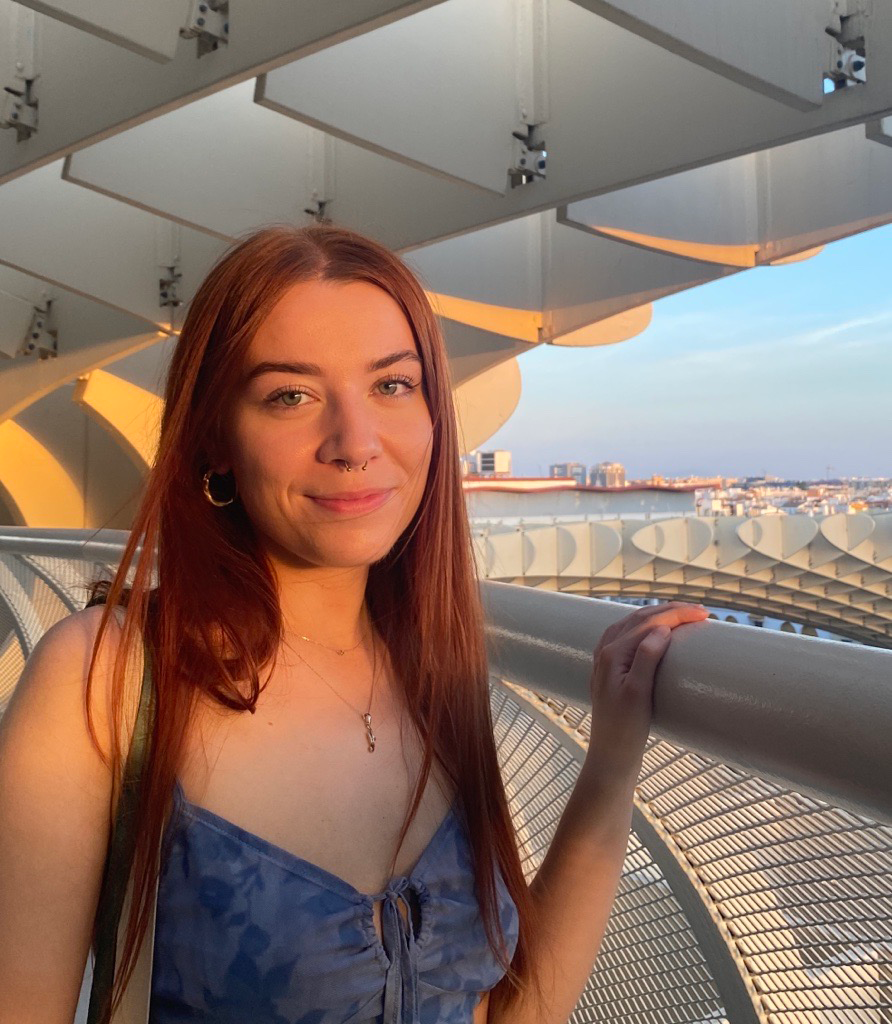
We asked Martha, one of the newest additions to our creative team, to share her insights on creating our multiple sclerosis (MS) experience.
When I first got the opportunity to help create an immersive experience of living with multiple sclerosis (MS), I knew I was in for a challenging, but rewarding, ride. Having only recently joined the company, this was one of the first experiences I got to work on right from the initial research phase through to the pilot, and it profoundly changed my understanding of MS and the challenges faced by those living with the condition.
At the outset, my knowledge of MS was minimal. I had a superficial understanding of the condition, primarily associating it with walking aids and wheelchairs. However, as I delved deeper into the research, I discovered that MS is far more complex, with a wide range of symptoms that vary greatly from person to person.
The more I learned, the more I realized the enormity of this project. MS can affect virtually every aspect of a person’s life, with symptoms ranging from fatigue, vision problems and cognitive issues, to muscle spasms, pain, and balance difficulties. It quickly became evident that while we couldn’t cover every possible symptom, we could try to reflect the uncertainty of the day and the disruption that MS brings into the lives of those who live with it.
One of the most eye-opening aspects of our research was discovering the commonality of bladder issues among MS patients. Frequency, urgency, and incontinence were recurring themes in our research and interviews, thus quickly becoming a key aspect we felt couldn’t be ignored when writing the programme. This symptom, often not as visible as others, has a significant impact on daily life, adding another layer of complexity and unpredictability.
To accurately represent these bladder issues, we incorporated elements that would simulate the sensation of needing to use the bathroom urgently and frequently. This helped illustrate not just the physical discomfort, but also the psychological strain, and potential embarrassment that accompany these symptoms. Furthermore, it highlighted to us, and to our participants, the challenge of finding accessible public bathrooms and disabled toilets; a feat that many of us don’t acknowledge, simply because we don’t need to.
I want to express my deepest gratitude to the individuals living with MS who generously shared their stories with me and the team, making this project possible. Their insights not only educated me on the daily adaptations that are required to live with MS, but also highlighted a reality: those facing long-term health conditions often find themselves at a crossroads between being problem finders, or problem solvers.
Reflecting on the project’s outcome, I am proud of how we managed to weave together the many facets of living with MS into a cohesive 24-hour experience. Months later, as I continue to create other A Life in a Day experiences, I feel committed to shedding light on hidden aspects of chronic conditions, ones that are easy to overlook, just as I once did with MS.
To find out more about our patient immersive experience of A Life in a Day with MS, get in touch.