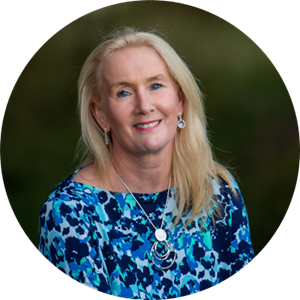

Your lived experience – or rather, one’s voice – is the most important tool in a creative writer’s arsenal. As a creative writer myself, each word choice and character profile reflects, however covertly, back onto me, giving spotlight to the person behind the writer.
Since joining A Life in a Day, I have had the privilege of spotlighting another kind of voice.
The patient voice.
My role as a Junior Creative has allowed me to speak with so many wonderful individuals from various patient communities, who have shared with me their most difficult, vulnerable, but courageous moments while living with chronic illness. To know who has the disease is just as important in knowing what kind of a disease a person has; every person’s experience of illness is unique, and the best patient care includes attention to the patient’s visceral experience of living with it.
I have also learned that voice and language are key tools in clinical care. After all, it is a voice that ultimately diagnoses a patient or decides how a particular drug is manufactured and designed. Yet, research shows that even the best-motivated healthcare providers may find themselves lacking the words to empathetically engage with the person of their patient, resulting in conversations or actions that are overly clinical.
A Life in a Day creates immersive learning experiences which prioritise how patients experience their condition, rather than the condition itself. Using a trifecta of creative aids – an interactive app, physical kit items, and role-play calls – we give those who work in healthcare an opportunity to walk in the shoes of the patients they are helping, so that when the experience ends, they can continue to speak, act, and think in ways that are conducive to empathy-focused care.
Three months ago, when I first joined the team, I had the opportunity to take part in an immersive A Life in a Day experience – and I was struck by the relentless interruption of symptoms, the persistent drain on energy, and, most notably, the psychological impact of leading a life shaped by severe illness and chronic uncertainty. Not only did I feel more empathetic for the patients I had spoken to, but I was profoundly motivated to make clinical outcomes better for them through my work.
Being closely involved in A Life in a Day’s creative process and exploring new ways of storytelling has been both fulfilling and enlightening. The challenges, storylines, and kit items I have helped to design are all coloured by real patient stories, and I feel proud to represent their voices in my writing.
Healthcare continues be a complex system in which the nuanced interactions between its providers and patients shape every aspect of care. We could all do with listening to others more, and looking beyond the particular features of disease to the person who is living with it. It’s easy to say ‘I’m empathetic’ – the real challenge comes from implementing that empathy into measurable outcomes for patients everywhere.